

We’re live blogging Apple’s big WWDC keynote

Apple's big keynote - new music streaming service sounds promising!!
A Northern View of Saturn’s Stained Moon Iapetus
Iapetus

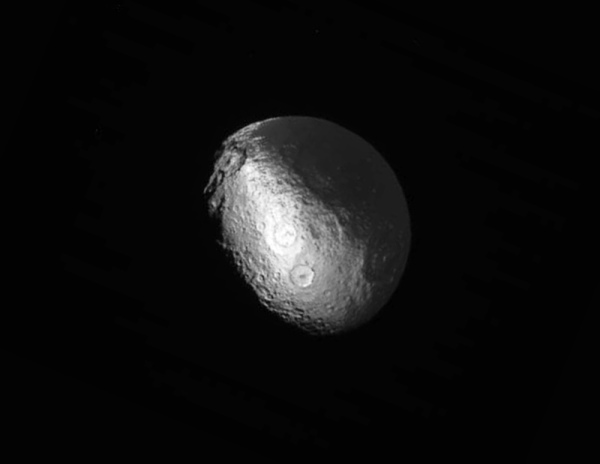 Saturn’s moon Iapetus, imaged by Cassini on March 31, 2015 (NASA/JPL-Caltech/SSI)
Here’s a raw image of Saturn’s moon Iapetus, looking down on its northern hemisphere from Cassini on March 31, 2015. The moon’s signature two-toned coloration is evident as its bright icy surface is partially coated by dark material, thought to have been ejected from distant neighbor Phoebe.
Iapetus is 914 miles (1,471 km) in diameter, or about as wide as Texas and Louisiana combined. It orbits Saturn at a considerable distance of 2,212,889 miles (3,561,300 km), which is nine times farther than the Moon is from us.
Iapetus’ north pole is located just below and to the left of the centrally-peaked crater south of the brightest region in the image above.
Londoners will share their newest swimming pool with plants and animals

A new kind of pond
Watch the stunning mid-air acrobatics of a hummingbird in a wind tunnel
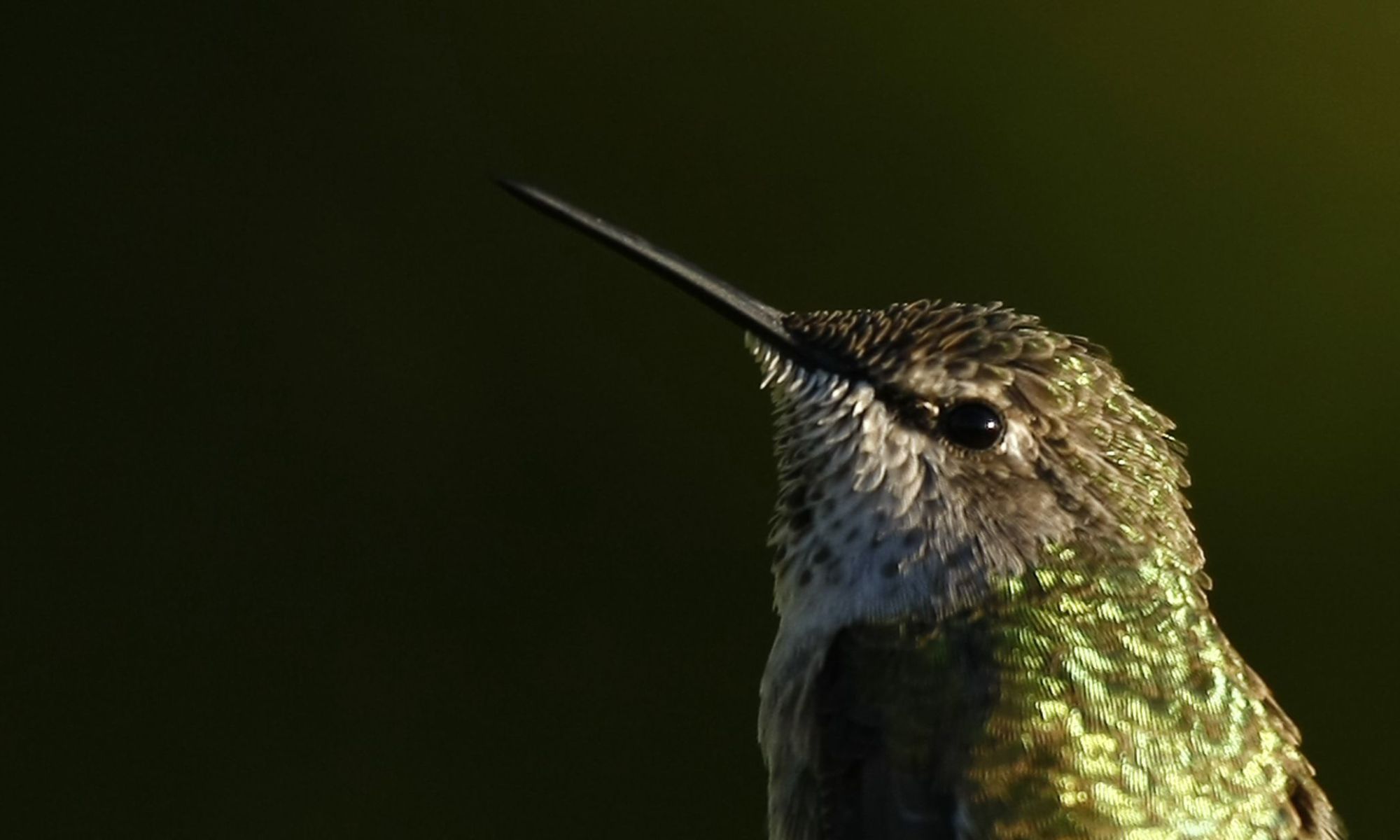
Hummingbird
The Fall of Rome and All That
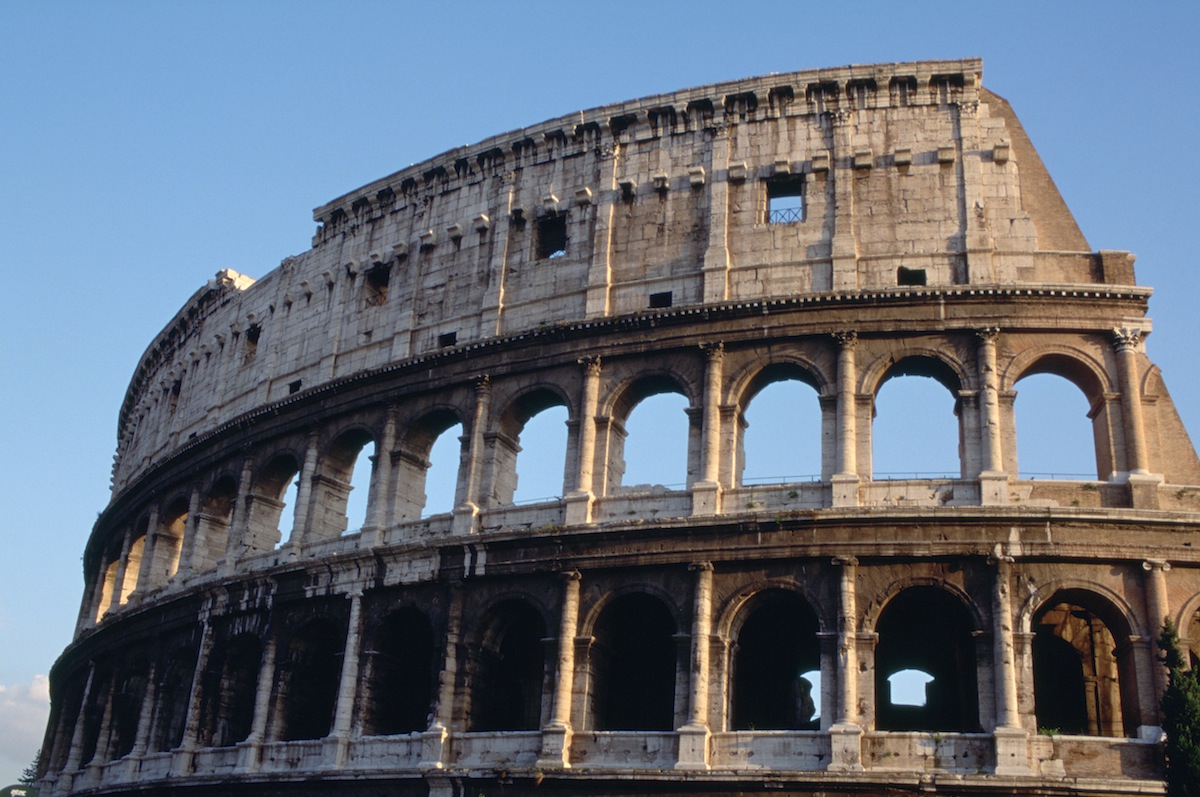
Rise, Fall, Rise, Fall... and repeat
An emoji for Spock’s “Live Long and Prosper” sign is coming to Apple devices

It's only logical 🙂
This Was Rosetta’s View of Earth and the Moon in March 2005
Rosetta’s View of Earth and Moon circa 2005
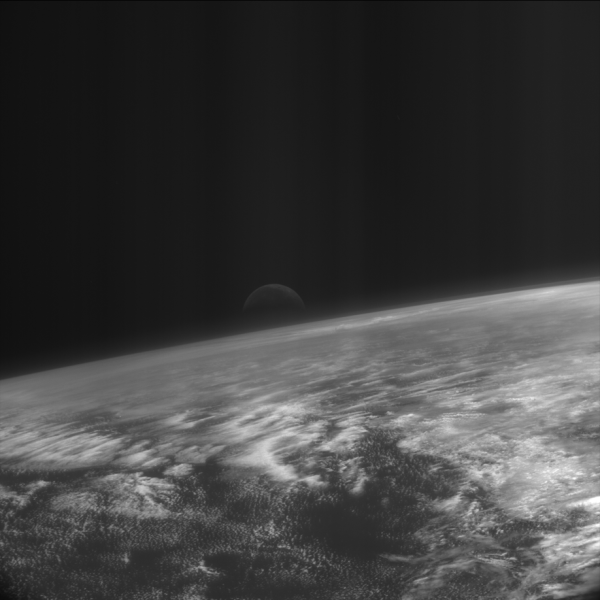 The Moon beyond Earth’s limb imaged by ESA’s Rosetta spacecraft on March 4, 2005 (ESA/Rosetta/NAVCAM – CC BY-SA IGO 3.0)
ESA’s comet-chasing Rosetta mission is best known today for its two historic firsts of entering orbit around a comet and sending a lander onto the surface of said comet, in May and November of 2014 respectively. But Rosetta didn’t just go directly from its March 2, 2004 launch to comet 67P; it had to perform several flyby maneuvers beforehand with planets and asteroids on its way out to meet a comet. And now, ESA has shared many of the images acquired during those close passes during its cruise phase in a series of online albums for the public to easily access.
The image above shows the Moon beyond the hazy line of Earth’s atmosphere, acquired on March 4, 2005 during Rosetta’s first gravity-assist flyby of Earth just over a year after its…
View original post 188 more words
The Fountain Garden
One of the most beautiful fountains & gardens in the world!

The theme of Garden Fest this year is “Water, Water, Everywhere.” Join us on May 9th, 2014 from 10 a.m. to 3 p.m. in the Enid A. Haupt Garden for a celebration of the role water plays in sustaining healthy garden and healthy humans. The day will include live music, the creation of a water-themed community art project, and numerous educational activities. In this blog post Smithsonian Gardens volunteer Annette B. Ramírez de Arellano takes an in-depth look at the history behind one of our most popular water features in the gardens.
Gardens are central to the design of the Smithsonian Quad, which comprises the space between the Castle and Independence Avenue. While the Victorian parterre is the largest and most central area of the Enid A. Haupt Garden, two smaller gardens are tucked among the museums. The Fountain Garden, which abuts the National Museum of African Art, is of Moorish design and incorporates key design elements…
View original post 428 more words
Read Stephen Hawking’s Sweet Note to Eddie Redmayne After His Oscar Win

Stephen Hawking really is an exceptional human being - out of this world!!
 The Northern Herper
You must be logged in to post a comment.